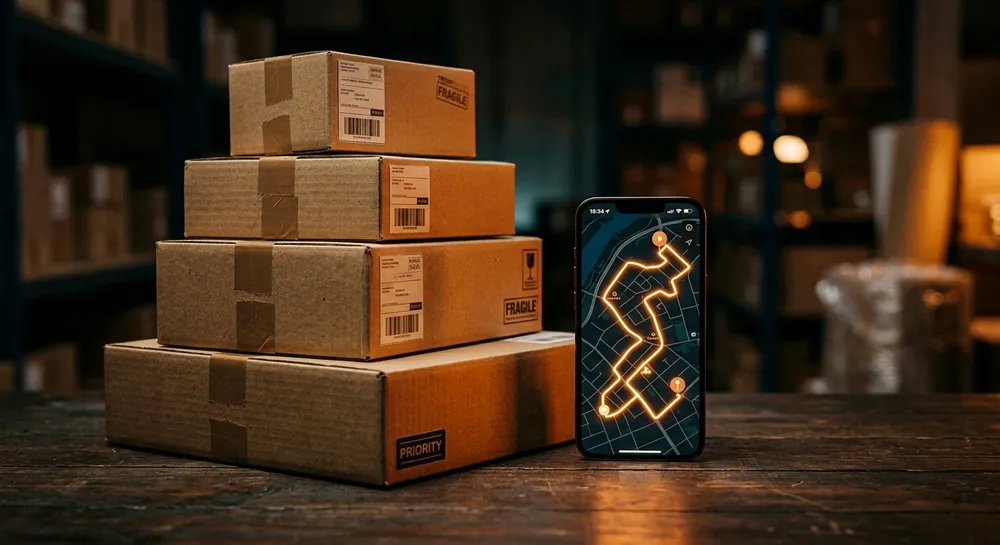
In many cities and regions, connectivity outages are a daily reality, not an exception. A system that stops when the network drops turns your organization into paper ledgers at the worst possible moment: peak time and sales. The engineering answer to this problem is called Offline-First.
The problem is not only the internet
Even with a connection available, severe slowness or a weak remote server can occur. A traditional (online-only) system makes every sale hostage to the network's response. A system designed to work locally completes the operation instantly and uses the network only for synchronization.
What does Offline-First mean?
that the application stores its data and runs from the device itself (or from a local server inside the organization), then synchronizes what happened with the cloud when connectivity is available. That is, the "normal mode" is to keep working, and connectivity is an added feature, not a condition for work.
How does synchronization work?
- Every operation is recorded locally with a unique identifier and a timestamp.
- Operations are kept in a waiting queue inside the device.
- When connectivity returns they are sent automatically in order, and conflicts are handled by clear rules.
- Everything is recorded in an audit log so it can be verified later.
Where do you actually need it?
- Point of sale: sales, printing and the cash drawer continue during the outage.
- Warehouses and stocktaking: perform counts on a handheld device and then sync the results.
- Clinics and laboratories: record visits and prescriptions, then sync them.
- Branches and the field: sales and delivery reps work without constant coverage.
- Organizations in remote areas: complete operation on a closed internal network.
Security and privacy requirements
Local operation means data on devices, and therefore it requires: encrypting the local database, locking the device with a user identifier, the ability to "remote wipe" a lost device, full encryption during synchronization over TLS, and periodic backup of both the device and the cloud together.
How do you measure the solution's success?
- Zero downtime in sales operations during test outages.
- Limited sync time when connectivity returns with no lost operations.
- No discrepancies between branch and cloud reports after synchronization.
- Cashier/employee satisfaction: has "we stopped working" disappeared?
Conclusion
In environments with intermittent connectivity, the "works without internet" capability is not a marketing feature but an operational requirement. Choose a system built on this philosophy from the ground up, not one that tries to "patch" the problem with later add-ons.
Comments and discussion
Share your opinion or ask about any technical detail in this article — we answer every inquiry.
A very practical article, especially the "excessive customization" part. We tried it and it cost us a lot of time. Do you recommend a checklist before choosing a provider?
The "3-2-1 backup" tip completely changed how we work. We started with an actual restore test and found problems we hadn't expected.
Thanks for the clear presentation. I'd love a detailed article about the monthly cost of running systems (hosting, support, updates).